Building a fund for future expenses is a proactive financial planning strategy that involves saving money over time to cover significant upcoming costs. This financial planning approach is beneficial for managing large, predictable expenses such as a down payment on a house, a child’s education, an annual insurance premium, or even retirement.
This approach can serve as a buffer for unforeseen costs like medical emergencies or urgent home repairs. The process typically starts with identifying the expense and estimating its amount.
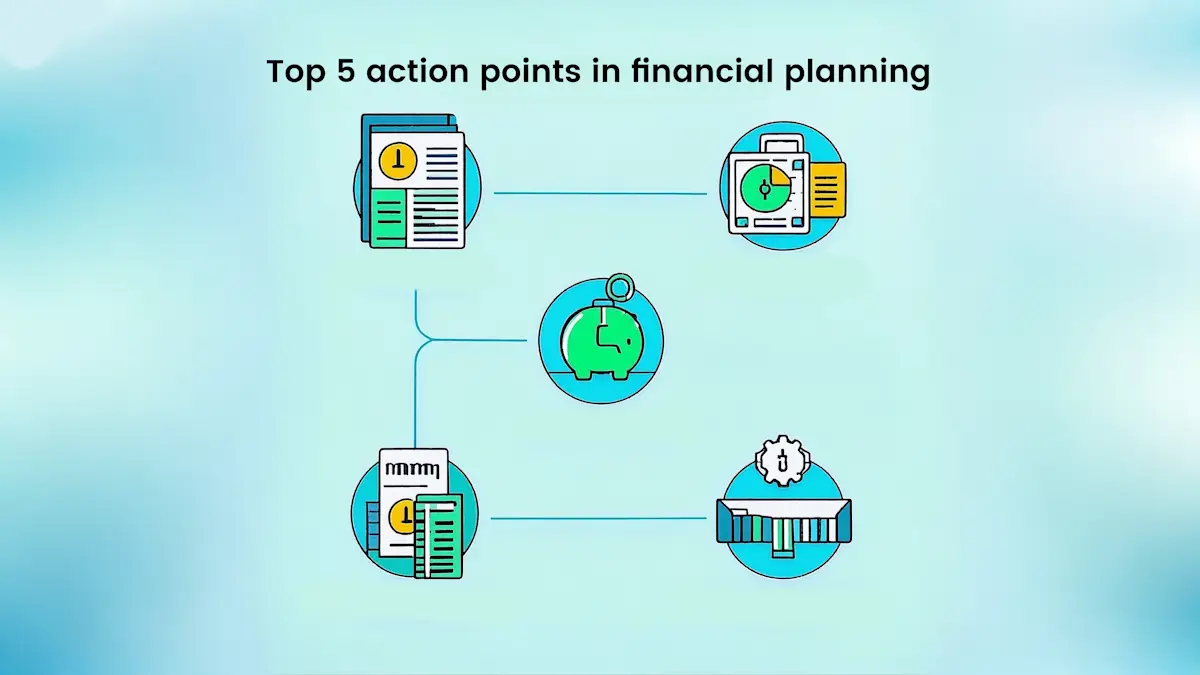
Here are some top five Action Points you can adopt:


i). Choose a dependable financial institution where to set up the account.
• Licensing and Regulation
For starters, you need to make sure that the institution is licensed by and regulated by the relevant statutory government bodies.
• Customer Service
How you are handled on first contacts mirrors how the relationship will unfold. Is the organisation’s customer service desk or their representative responsive and helpful? A reputable institution in today’s world ought to be proactive in SMS notifications, alerts, and offer quick issue resolution.
• Range of Services
Does the company have a diverse range of products and services that would help you with asset allocation?
• Security & Fraud Protection
Find out how the company handles login into online platforms, PIN and notification of online transactions.
Also, how does the company handle suspicious transactions and fraud cases?
• Competitive Edge
One of the reason of outsocurcing for solutions is to get the best out of what is on offer. The bottom line matters, right.
What rates and fees are likely to impact your portfolio?
ii). Open an account as soon as the thought crosses your mind.
- Taking immediate action in financial planning comes with an added advantage. Whether you’re just getting started or fine-tuning your current strategy, starting now can make a huge difference.
Here’s why:
- More Time = More Growth (Thanks to Compound Interest)
The earlier you start, money grows overtime, however more time will not buy you more money if you take no immediate action.
Starting small is better than not starting at all. Savings or investments started today can grow significantly thanks to compound interest—where you earn interest on your interest.
- Helps you improve Financial Habits Over Time
Financial planning encourages discipline.
The earlier you start tracking your spending, saving, and investing, the more natural it becomes.
- Gives You Peace of Mind
Financial stress is real. Planning brings about calmness and confidence.
Knowing you’re on track—even if you’re not perfect—comes with the comfort of concetrating on overall wellness.
- Your Goals Become Real
Whether it’s buying land, starting a business, or retirement—you get there faster with a plan.
Financial goals require consistent steps: Employ the SMART approach.
Acting now breaks big goals into manageable steps.
iii). Decide how much to set aside and how often to put an amount in the account.

The account is open, the steps are laid down – be deliberate.
Revisit you SMART tool and look well into your plans.
iv). Consider automating the contributions
Automating your contributions—whether to savings, investments, or loan repayments—is one of the smartest financial habits you can build. Here’s why it’s such a game changer:
- Consistency Without Effort
“Set it and watch out.”
You normally don’t miss the money that you don’t see or have. Deduction at source every pay cycle is one of the easiet way to deal with forgetting to meet your obligations.
Setting up check-off, standing order or even a Direct Debit aliviates forgetfulness – It just happens automatically, ensuring you’re consistently working toward your financial goals.
- Supports Goal Tracking
Whether saving for a car, a house, or school fees—you’re always making progress.
v). Monitor and Evaluate
Monitoring and evaluating your financial planning is just as important as creating the plan itself. Here’s why it’s a key part of financial success:
- Tracks Progress Toward Your Goals
You can’t improve what you don’t measure.
Monitoring helps you see:
How close you are to achieving your goals (e.g., saving for land, clearing debt, or building an emergency fund)
What’s working and what’s not
- Helps You Adjust When Life Changes
Life isn’t static—your finances shouldn’t be either.
You might:
Change jobs or income levels
Have a new baby or new expense
Start or stop a business
Face unexpected costs (medical, repairs, etc.)
Evaluating your plan helps you adjust to stay on track despite changes.
- Improves Decision-Making
It’s easier to make smart money moves when you know your numbers.
Whether you’re thinking of:
Taking a loan
Investing in something new
Making a large purchase
Monitoring your finances gives you feedback to make wise decisions.
- Bonus: Consider the Tenure and Purpose
Understanding the duration of your savings plan and the specific goals you aim to achieve is crucial in financial planning. It allows you to create a structured approach to saving, ensuring that you are not only saving enough but also saving smartly.
By having a clear timeline and purpose, you can tailor your investment strategies to be more effective and align them with your long-term financial aspirations. This clarity in planning can significantly enhance the decision-making process and lead to more successful outcomes.
Tenure Matrix
- Short term – one month to 12 months
- Medium term – 13 months to 60 months
- Long term – over 5 years
Take Away
Adopting a disciplined saving method helps individuals avoid financial strain when the time to pay for the expense comes. Additionally, it comes with a sense of peace of mind, knowing that funds are available when needed. Building such a fund requires patience, commitment, and sometimes sacrifice, as it may involve cutting back on current spending to prioritize future financial stability.